
Protein supplements have become a normal part of a lot of people’s daily routine especially for anyone focused on fitness muscle gain or just staying healthy. For years whey protein has been the most popular option and honestly most gym people still use it today.
But now things are changing a bit. More people are paying attention to plant based nutrition digestion and where their food actually comes from. Because of that newer options like yeast protein and other fermented proteins are starting to get noticed.
A lot of people also want something easier on the stomach or simply don’t want dairy anymore. That’s one of the reasons yeast protein is becoming more popular lately.
What Is Yeast Protein?
Fermentation technology is used to make yeast protein by growing and processing specific types of yeast to pull out high quality protein. Unlike regular plant protein sources like soy or peas yeast protein is made through a controlled fermentation process similar to the methods used for baking bread or brewing beer.
One of the most popular forms is nutritional yeast protein which is known for its strong nutrient profile and good amino acid content.
The protein in nutritional yeast is especially valued because it contains important amino acids along with vitamins from the B-complex group. Because of this more people are starting to see it as a sustainable alternative to animal based protein sources.
Yeast protein is also naturally vegan dairy free and lactose free which makes it a popular choice for people looking for a cleaner and more eco friendly protein supplement.
What Is Whey Protein?
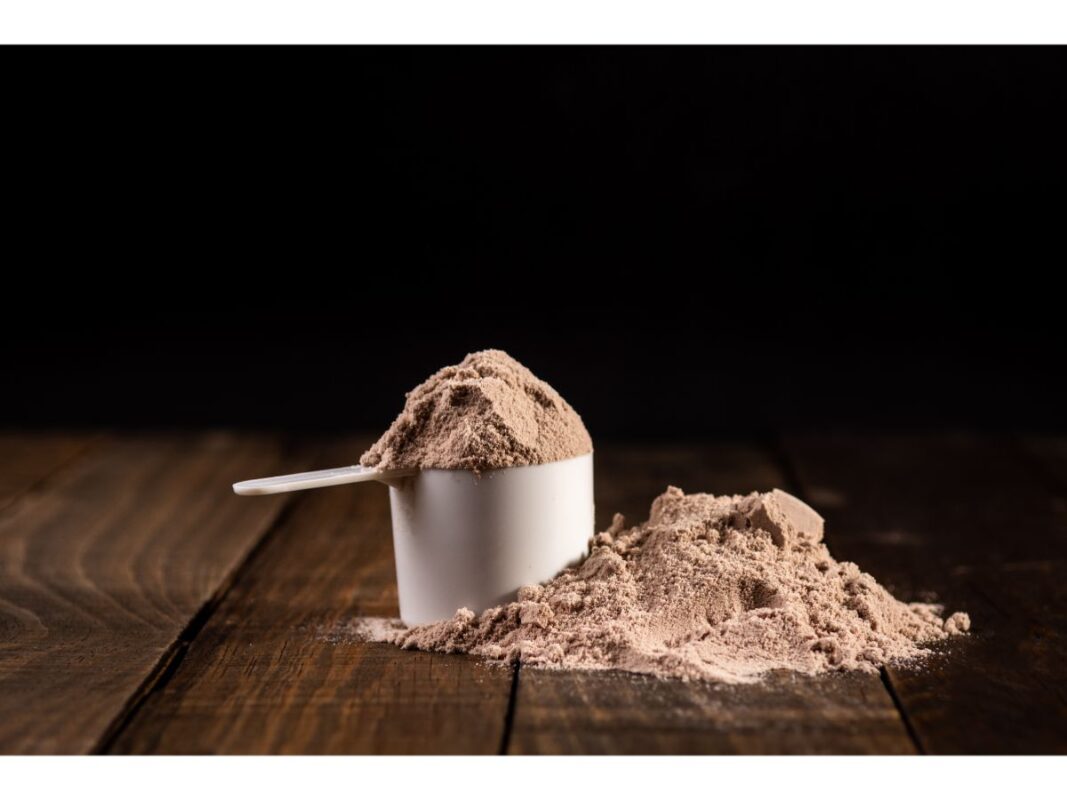
Whey protein comes from milk during the cheese making process. It’s a complete protein which means it contains all nine essential amino acids your body needs to build and repair muscle.
People who lift weights or train hard have been using whey protein for years because it digests quickly and helps with muscle recovery after workouts. It’s one of the easiest ways to get extra protein in without having to cook another full meal.
One big reason whey protein is so popular is because it’s packed with BCAAs especially leucine. These amino acids play a huge role in muscle growth recovery and protein synthesis after training.
Common Types of Whey Protein
a) Whey Protein Concentrate
b) Whey Protein Isolate
c) Whey Protein Hydrolysate
What’s the Difference?
Each type is a little different when it comes to purity lactose content and how fast the body digests it. Some are more processed and filtered while others keep more natural nutrients from milk.
Yeast Protein vs Whey Protein: 7 Key Differences

1. Source and Production
The biggest difference between whey protein and yeast protein is where they come from.
Whey protein comes from milk and is made during the cheese-making process. It’s basically a dairy product which means it’s not a good option for people who avoid lactose or follow a vegan diet.
Yeast protein is made in a totally different way. It’s created through fermentation where tiny microorganisms grow on nutrient-rich material and then get processed into protein powder.
A lot of people are starting to pay attention to this kind of protein because it needs fewer resources compared to regular animal-based protein production. That’s one of the main reasons it’s getting popular lately.
2. Nutritional Profile
Both whey and yeast protein give you a good amount of quality protein but they each bring slightly different things to the table.
Whey protein usually contains:
- Higher protein content
- Lots of BCAAs
- High leucine levels
- Very low fat and carbs especially in whey isolate
Yeast protein usually offers:
- All essential amino acids
- Natural B vitamins
- Small amounts of minerals
- Some dietary fiber depending on the formula
For people who want something different from the usual protein powders yeast protein can actually be pretty interesting.
3. Digestibility and Absorption
One reason whey protein became so popular in fitness is because your body absorbs it really fast. Amino acids hit the bloodstream quickly after drinking it which is why many people use it after workouts.
But not everybody handles dairy well. Some people deal with bloating stomach issues or discomfort because of lactose.
Yeast protein is naturally dairy-free and lactose-free so a lot of people find it easier on the stomach. If dairy-based shakes mess with your digestion this can be a much better option.
4. Suitability for Different Diets
Your diet and food preferences matter a lot when choosing between these proteins.
Whey protein
- Comes from dairy
- Not suitable for vegans
Yeast protein
- Completely vegan
- Dairy-free and lactose-free
- Works well for plant-based diets
As more people switch to plant-based eating the demand for alternative proteins like yeast protein keeps growing fast.
5. Environmental Impact
These days a lot of people also care about how their food affects the environment.
Whey protein depends on dairy farming which needs large amounts of land water and animal feed. Producing yeast protein through fermentation usually takes fewer natural resources and can be done in more controlled environments.
That’s why many people see yeast protein as part of the future of sustainable nutrition and alternative protein sources.
6. Role in Muscle Growth
Whey protein has been linked to muscle building for years mostly because it digests quickly and contains a high amount of leucine.
Research has shown whey protein may help with:
- Muscle recovery
- Building lean muscle
- Strength training performance
At the same time newer studies suggest that other protein sources including fermentation-based proteins may also support muscle growth when you get enough total protein throughout the day.
In the end both whey and yeast protein can help with recovery and muscle building if your overall protein intake is good.
7. Taste Texture and Versatility
Taste matters too because nobody wants to force down a shake every day.
Whey protein is available in tons of flavors and usually mixes really smoothly into shakes smoothies and recipes. Since it’s been around forever companies have had years to improve the taste and texture.
Yeast protein can sometimes have a slightly savory or earthy taste depending on how it’s made. But newer products are getting much better and many brands are improving the flavor and mixability a lot.
A lot of yeast protein companies are now making products specifically for smoothies meal replacements and high-protein foods as the alternative protein market keeps growing.
Which Protein Is Better for Weight Gain?

If your goal is to gain weight or build muscle then total calories matter more than anything else. You need to give your body enough food to grow. Without that it gets really hard to add size no matter how much protein you take.
A lot of people make high calorie shakes by mixing protein powder with foods like milk oats peanut butter bananas or other calorie dense ingredients. It’s an easy way to get more calories in without feeling stuffed all day.
Both whey protein and yeast protein can work well as part of a weight gain plan especially when your diet and training are already in a good place.
What to look for in a protein powder for weight gain
- Enough protein in each serving
- A good balance of protein carbs and fats
- Easy to digest without upsetting your stomach
- Good quality ingredients without unnecessary fillers
How to Use Protein Powder for Weight Gain
There are a few simple ways to add protein powder into your daily routine if you’re trying to gain size or muscle.
1) Post Workout Shakes
Having protein after training can help your muscles recover and grow after tough workouts.
2) High Calorie Smoothies
Blend your protein powder with fruit oats peanut butter milk or nut butter to make an easy high calorie shake.
3) Protein Rich Breakfasts
You can mix protein powder into smoothies pancakes oats or porridge to increase your protein intake early in the day.
4) Between Meals
Protein shakes also work well between meals when you need extra protein or calories during the day.
No matter which one you choose whey or yeast protein the main thing is staying consistent with your diet and protein intake.
Final Thoughts
At the end of the day choosing between whey protein and yeast protein mostly comes down to your own preferences diet and goals.
Whey protein is still one of the most popular and researched supplements for building muscle and improving performance. It absorbs quickly and works really well for recovery and muscle growth.
At the same time yeast protein is starting to get more attention because it’s vegan more sustainable and still offers solid nutrition. As food technology keeps improving proteins made through fermentation could become a much bigger part of the future.
Right now both options can work well for muscle growth recovery and overall health as long as you combine them with proper training and a balanced diet.
Frequently Asked Questions
What is yeast protein?
Yeast protein is made through a fermentation process where yeast grows and creates protein rich biomass that can later be turned into protein powder.
Is nutritional yeast a complete protein?
Yeah in most cases nutritional yeast contains all the essential amino acids your body needs which makes it a complete protein source.
Is whey protein better for muscle gain?
A lot of people use whey for muscle building because it digests fast and contains plenty of leucine which helps support muscle protein synthesis.
Can yeast protein replace whey protein?
Yes especially for people who follow a vegan diet or avoid dairy products. Yeast protein can be a solid alternative.
How much protein powder should you take daily?
That depends on your body weight activity level and fitness goals. Most active people usually aim for around 0.8 to 1 gram of protein per kilogram of body weight each day.